

New artificial intelligence (AI) tools for research and publishing practices are changing how researchers prepare, publish, and share their work. Understanding these changes can help you make better publishing decisions and protect the long-term impact of your research.
What AI Policy Changes Mean for Your Research

Today’s publishing landscape is evolving rapidly. Researchers are navigating new AI technologies and adapting to changing expectations around research integrity. AIP Publishing leaders Melissa Patterson and Marc Segers talk about how AI policies are evolving and how researchers can benefit from these developments.
“Our entire organization has a deep commitment to our researcher community. So, we track the pressures shaping the publishing journey and use that insight to refine our tools, policies, and platforms to get obstacles out of the way,” states Marc Segers, Head of Product Innovation.
Melissa Patterson, Head of Journal Development, adds, “Transparency, access, fairness, and sustainability sit at the core of a researcher-centered publishing strategy, supporting not only how research is shared today, but how it is preserved, evaluated, and trusted over time. These principles reflect the real changes shaping how today’s researchers publish.”
- What this means for researchers: These principles translate into practical benefits for researchers such as:
- Clearer submission guidance
- More transparent editorial and peer review processes
- Updated policies designed to help your research remain discoverable, credible, and trusted long after publication.
Using AI Without Compromising Research Integrity

Artificial intelligence is the most rapidly evolving priority for researchers. Our authors report that they are excited about exploring AI tools for their research but have persistent concerns about reliability and research integrity. They want clear guidance on responsible use from their publishers. To help researchers navigate these challenges, AIPP is exploring responsible uses of AI that improve discoverability, strengthen research integrity, and reduce administrative burdens without replacing human editorial judgment.
AI and discovery
AI-powered discovery tools are quickly becoming part of how researchers search for literature. Making sure work is accurately attributed and easy to find is becoming increasingly important.
“We’re particularly focused on how we can make our authors’ research outputs more discoverable while protecting their attribution and credit for their work,” says Marc who is working on content discovery and licensing projects. “As readers, you may be typing questions into tools like ChatGPT, Perplexity AI, or other platforms and receiving instant answers. We want to try to preserve our authors’ and their colleagues’ ability to be recognized as a part of that answer.”
- Why this matters: Ensuring your work is properly attributed and easily discoverable helps preserve recognition for your contributions. Better discoverability can increase readership, citations, collaboration opportunities, and the long-term impact of your research.
- Researcher takeaway: Become familiar with your target journal or publisher’s AI policies before submission and use AI tools to support but not replace your work or judgment.
AI governance and transparency
Clear artificial intelligence policies give authors the confidence they need to use AI responsibly without accidentally violating journal policies or raising questions about the integrity of their work. “It’s finding the right balance between machine intelligence and human interaction,” notes Marc. “That’s why AIPP is strengthening governance for AI use both inside and outside the organization.” Melissa confirms, “We’re providing clearer guidance on the responsible use of AI, both in researchers’ own work and within the publishing process itself so expectations are transparent at every stage.”
- Why this matters: Clear AI guidance helps researchers confidently incorporate AI into appropriate parts of their workflow while understanding where human expertise, transparency, and accountability remain essential. Knowing what’s expected reduces uncertainty during manuscript preparation and submission.
Use AI Responsibly to Protect the Quality of Your Research
Follow these best practices from our updated policy:
- Verify the output of an AI tool to ensure it is scientifically sound, it uses terminology appropriate to the field, and any factual statements can be corroborated by reputable sources.
- Be aware that using generative AI in analysis and interpretation of results might make the scientific output harder to reproduce. Because of inherent variability of generative AI output, as well as the potential for hallucinations, results can vary for users duplicating the same steps and prompts.
- Always review the terms and conditions of the tools that were used, such as who holds the rights to the generated content, restrictions on commercial usage, and how the tool provider may retain, reuse, or redistribute any uploaded or generated content. If required by the provider, credit the tool appropriately in the manuscript.
Read our complete updated AI policies
Looking ahead: strengthening trust, transparency, openness, and collaboration
The future of academic publishing isn’t simply about adopting new technology. It’s about making publishing more trustworthy, transparent, and effective for researchers. Evolving AI usage policies and more open publishing practices are helping our researchers publish with greater confidence and maximize the impact of their work throughout their career.
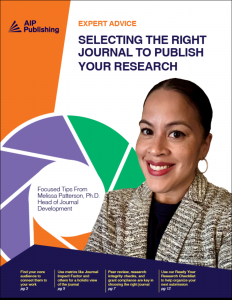 Get Your Free Guide! Download “Expert Advice: Selecting the Right Journal to Publish Your Research” featuring Melissa Patterson, Ph.D., Head of Journal Development, for insider tips to help you with your next submission.